

A flat roof needs thoughtful installation because drainage, seams, and surface preparation all affect how well it protects your property. At Home NaviGators Roofing, we provide quality flat roofing installation in Ponte Vedra Beach, FL, with personal guidance throughout your project. We’ll build a roofing system designed to move water away and protect the structure beneath it, so you can have ultimate peace of mind.
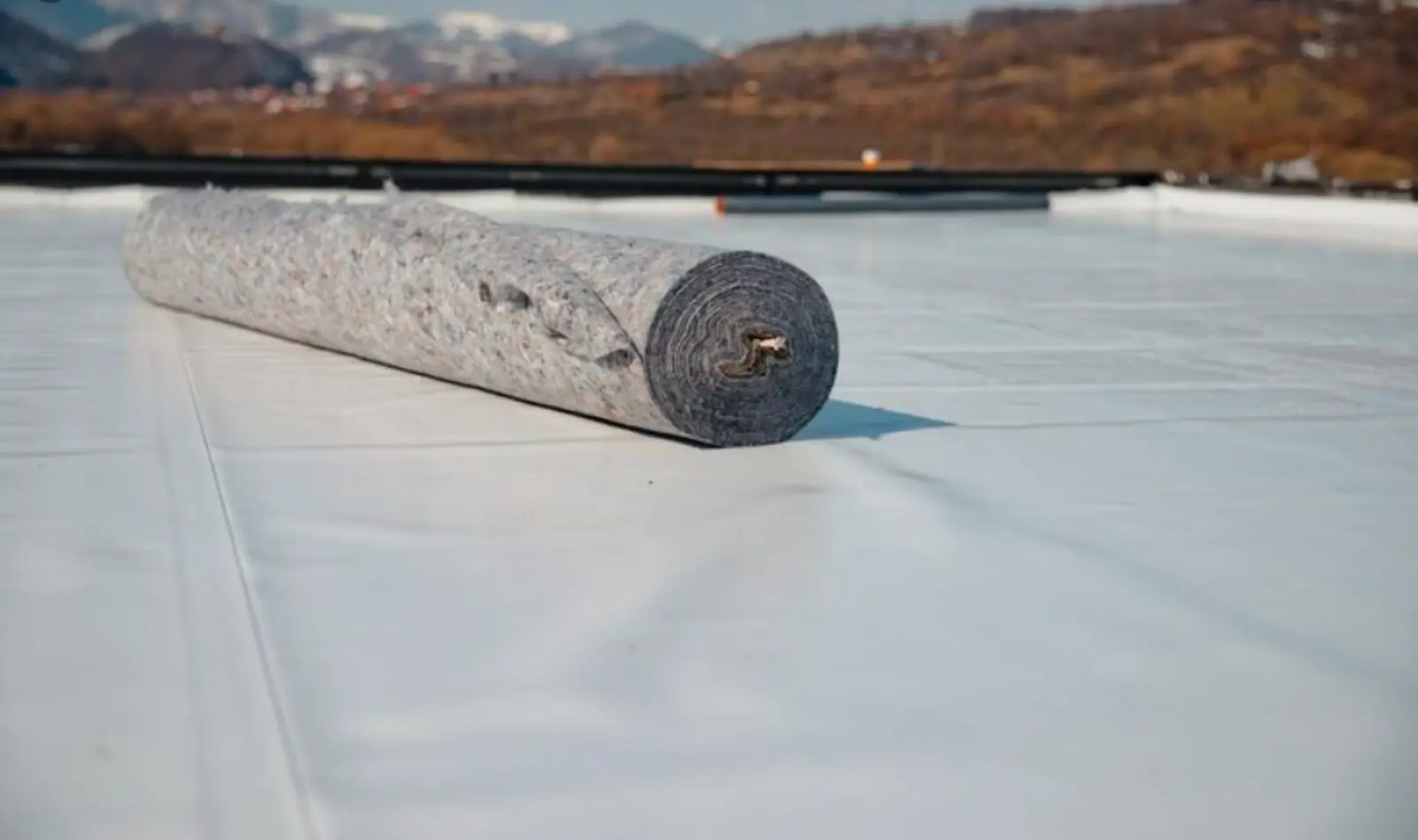
Flat roofing faces direct exposure to intense sunlight, heavy rainfall, wind, and debris, which puts every part of the system to work. Poor drainage, damaged membranes, failed seams, and aging materials leave the roof more vulnerable to leaks. When problems become widespread, a new installation provides a stronger solution than continuing to repair separate trouble spots. Signs that your flat roof needs professional attention include:
Choosing a flat roofing contractor should feel personal, not like working with another generic company that views your project as a number. We focus on clear communication and lasting relationships, so you’ll have a trusted guide from your first conversation through project completion. Much like a captain navigating a boat, we’ll guide you through each stage and explain what comes next. You’ll know what we’re doing, why it matters, and what to expect from your new roof. Our approach also includes:
A new flat roof is a significant property investment, and financing gives you more flexibility when planning the expense. Instead of covering the entire project cost upfront, eligible financing options let you divide the expense into manageable payments. That flexibility helps you move forward when your current roof needs replacement without putting unnecessary pressure on your immediate budget.
Successful flat roof installation begins below the finished surface, so we’ll first assess the existing roof and underlying structure. Our roofers will prepare the surface and address necessary areas before installing the selected flat roofing materials.
Because a flat roof still requires effective water movement, we’ll account for drainage as part of the installation process. We’ll also pay close attention to seams, edges, flashing, and roof penetrations, since these areas play a major role in keeping water out. Once complete, your new roofing system will provide a secure barrier against rain, sun, and changing Florida weather.
Delaying replacement after a flat roof reaches poor condition leaves damaged areas exposed to additional rain and moisture. Water entering through compromised seams, flashing, or membrane damage can reach materials beneath the roofing surface. Ignoring those problems puts your property at risk for:
A new flat roof gives you confidence that damaged materials and recurring trouble spots are no longer hanging over your head. Quality installation also creates a fresh protective surface designed around the needs of your property. Once your new roofing system is installed, you’ll benefit from:
Flat roofing works differently from a steep-slope roof, so it’s natural to have questions before planning a new installation. Materials, drainage, maintenance, and the condition of the roof structure all deserve consideration when making your decision. We’ve answered nine common questions below to help you understand what goes into a successful flat roofing project.
No, a flat roof isn’t completely level because it needs a slight slope that directs rainwater toward designated drainage points. The low slope isn’t as noticeable as the pitch on many traditional residential roofs. Drains, scuppers, or other drainage components then give water a route away from the roofing surface. This design is especially important in Florida, where heavy rainfall puts roof drainage to the test.
Flat roofing systems use materials designed for low-slope applications, with options including TPO, PVC, EPDM, modified bitumen, and built-up roofing. Each material has different characteristics, installation methods, and maintenance requirements. The building design, existing roof structure, drainage, and other project details will influence which options make sense. We’ll explain appropriate materials so you can make an informed decision for your property.
A flat roof’s service life depends heavily on its material, installation quality, weather exposure, drainage, and maintenance. Different membrane systems have different expected service lives, so there isn’t one lifespan that applies to every flat roof. Florida’s strong sunlight, storms, and heavy rain also place specific demands on roofing materials. Regular professional roof inspections help identify developing problems before they spread across larger areas.
Yes, flat roofing provides an effective option for many Florida properties when the system addresses drainage and local weather conditions. Flat and low-slope roofs are used on commercial properties, residential additions, and homes with specific architectural designs. Material selection matters because the roof faces strong sunlight, rain, humidity, and storm conditions.
Flat roofs rely on a slight slope and designated drainage points to direct rainwater away from the surface. Poor drainage leaves water sitting in low areas, which puts unnecessary stress on the roofing membrane and underlying structure. Drains and scuppers also need to remain clear so water has an unobstructed route off the roof. Drainage planning is a major part of creating a flat roofing system that protects your property.
Standing water develops when the roof surface doesn’t direct rainfall effectively toward drains, scuppers, gutters, or other exit points. Low areas, blocked drainage components, structural movement, and poor roof design all contribute to ponding. Persistent standing water deserves professional attention because it places added strain on the roofing system. A roofer will determine what’s interfering with drainage and explain what needs to be corrected.
Recurring leaks, widespread membrane damage, failed seams, persistent ponding, and extensive deterioration are reasons to consider roof replacement. A roof with repeated repairs across several areas also deserves a broader assessment instead of another isolated fix. Our roofers will evaluate the surface, drainage, flashing, and visible condition of the underlying components.
Flat roof installation starts with evaluating the existing system and preparing the roof surface for the selected materials. We’ll address necessary preparation before our roofers install the new roofing components according to the project requirements. Special attention goes to drainage areas, seams, flashing, edges, and penetrations because these details help keep water outside.
Keeping drainage areas clear and scheduling regular roof inspections are important parts of flat roof maintenance. Leaves and other debris should not block drains or scuppers because trapped water puts additional stress on the roofing system. After severe weather, a professional inspection will identify punctures, damaged flashing, or other problems that aren’t obvious from the ground.

It can be difficult to budget for an urgent roofing repair. When you need a fix fast, we don’t want those kinds of concerns to stand in the way. We’re happy to discuss financing options with you to find solutions that meet your needs and fit your wallet.
"*" indicates required fields

Are you looking for a reliable flat roofing installation in Ponte Vedra Beach, FL? At Home NaviGators Roofing, we’ll guide you through the project so you understand each step completely. Our experienced roofers will explain your options and build a roofing system focused on effective drainage and lasting protection. Schedule an appointment today to discuss your property and find out what your new flat roof requires.
"*" indicates required fields